
What Is a Private Label Supplement? The A-Z Guide for Healthcare Professionals
If you've ever wondered how so many dietitians, physiotherapists, and wellness clinics suddenly have "their own" supplement line, the answer is almost always the same: private label. It's not a new industry secret — it's a well-established business model that lets healthcare professionals launch a branded product without owning a factory, hiring a formulation chemist, or managing a warehouse.
This guide walks through exactly what private label means, how the process works step by step, and what to expect in terms of cost and timeline — so you can decide with full information whether it's the right move for your practice.
What Does "Private Label" Actually Mean?
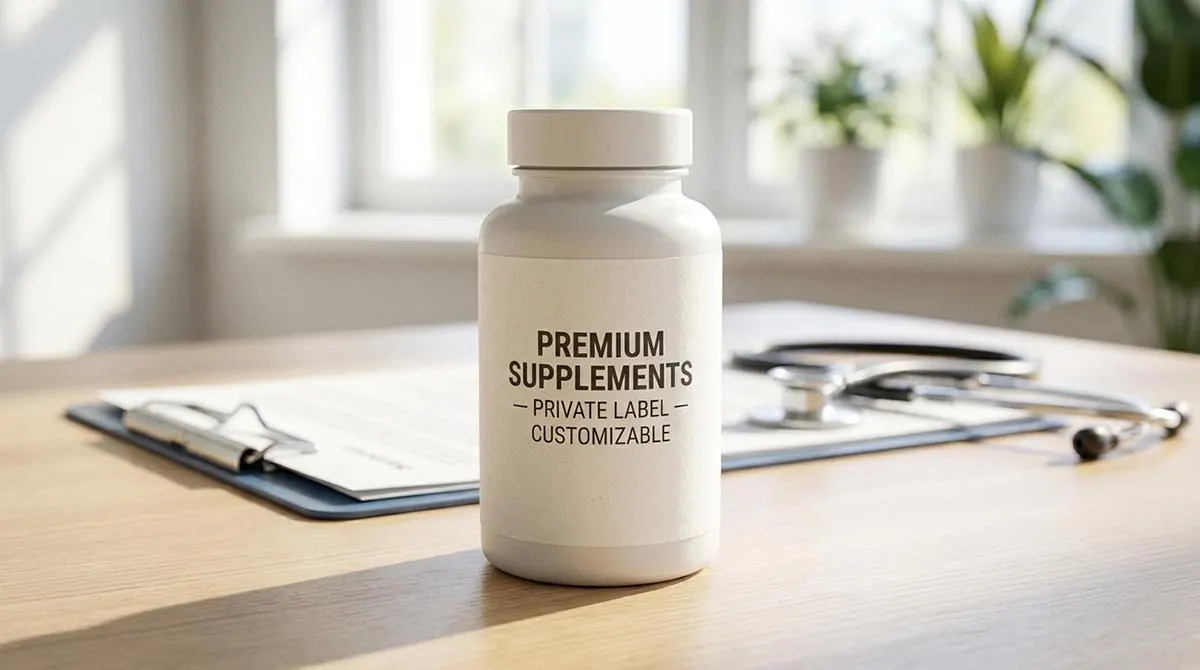
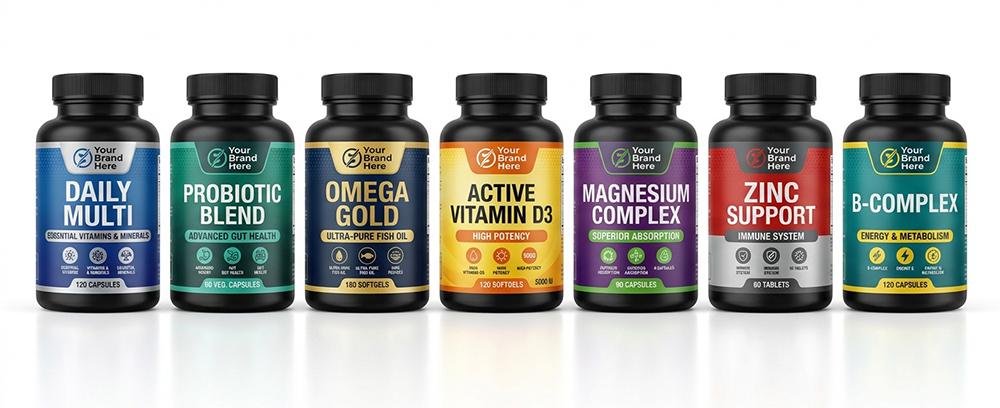
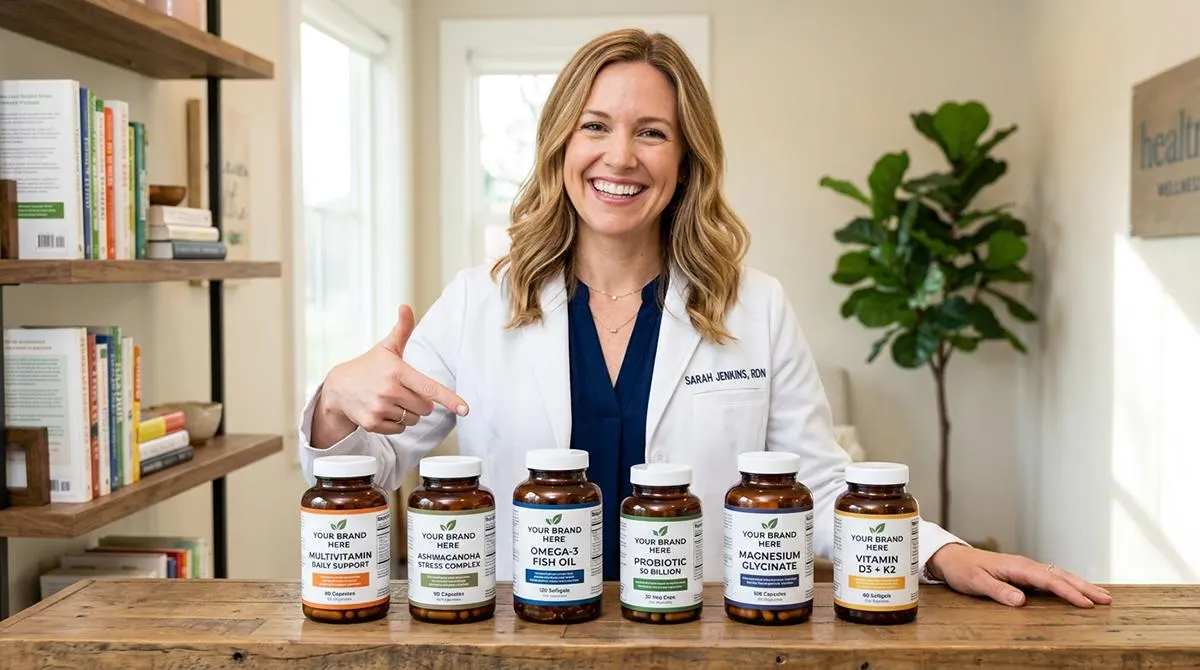
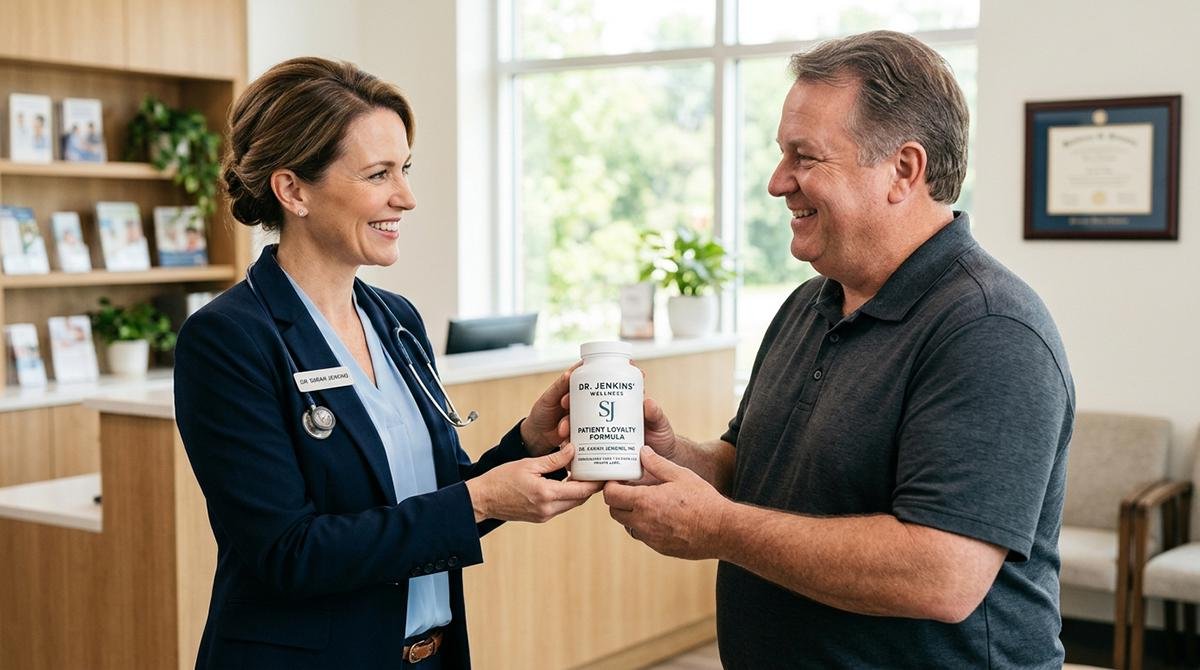
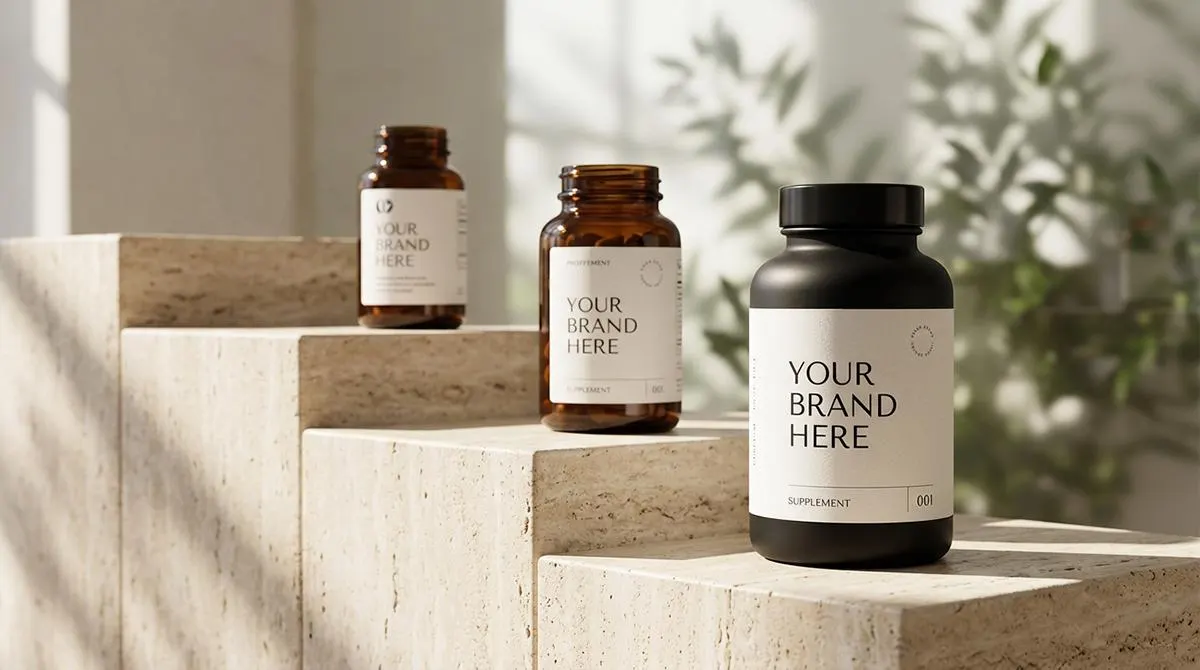
Private label supplements are products manufactured by a third-party facility, using existing or lightly customized formulas, which are then sold under your own brand name and label design. The manufacturer handles production, packaging, and compliance. You handle the branding and the relationship with the people who buy it — your patients or clients.
Think of it like a private-label grocery product: the store didn't build the factory that makes the pasta, but the pasta carries the store's name and packaging. The same logic applies here, except your "store" is your clinical reputation.
Private Label vs. White Label: What's the Difference?
These terms get used interchangeably, but there's a distinction worth knowing:
- White label usually means a completely generic, unmodified product that many different brands sell with only the label changed.
- Private label typically allows more customization — of the label design, sometimes the formula, and the overall brand presentation — while still using an existing manufacturing infrastructure.
In practice, most healthcare-focused supplement programs (including the model most clinics use today) fall under the private label umbrella, since the branding is fully custom even when the base formula is standardized.
Why Are Healthcare Professionals Turning to This Model?
Three forces are driving this shift:
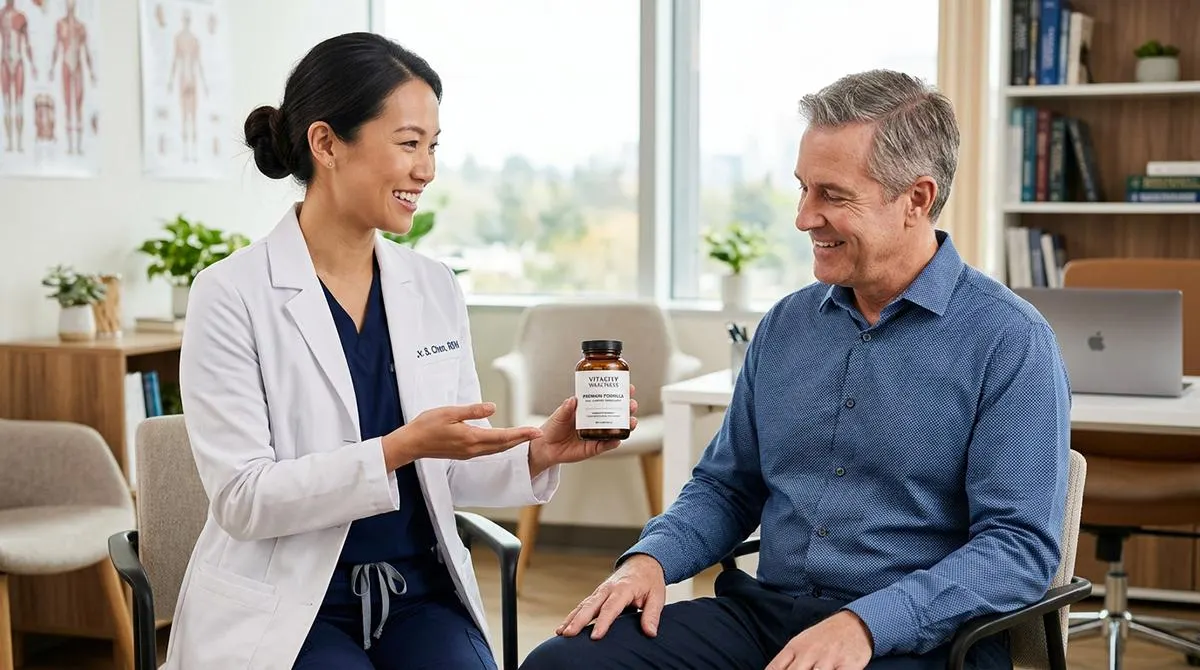
- Patients already trust you. When a patient asks "which brand should I take?", they are actively looking for your recommendation. A private label product turns that trust into a direct transaction instead of sending business to Amazon.
- Recurring revenue without recurring hours. Clinical time is finite. A product line generates revenue independent of the hours you can bill.
- Low barrier to entry. Unlike a decade ago, launching a branded supplement no longer requires large minimum orders or six-figure upfront investment.
The Step-by-Step Process
1. Discovery Call
The process starts with a conversation about your patient base, the product categories that make sense clinically (for example, digestive health for nutrition-focused practices, or bone and joint support for physiotherapy clinics), and your brand vision.
2. Brand Identity
You provide your logo and brand identity kit if you already have one. If not, this can be developed as part of the process — colors, typography, and overall look are aligned to how you want your practice to be perceived.
3. Label Design
A label is designed around your brand identity and the specific product you're launching. This typically includes the product name, required supplement facts panel, usage instructions, and any regulatory disclaimers.
4. Revisions
You review the label and request changes. Most private label partnerships include a set number of revision rounds (commonly around three) so the design matches your expectations before moving to production.
5. Mockup Approval
Before anything is manufactured, you receive a visual mockup of the finished product for sign-off. This is your last checkpoint before physical production begins.
6. Sample Production
A sample is produced and shipped to you. This lets you physically inspect the label, bottle, and overall presentation before committing to a full order.
7. First Order
Once you approve the sample, you place your first order. Reputable private label programs keep minimum order quantities low (as low as 3 units in some models), so you're not forced into large inventory risk on day one.
8. Reorders
As your patients start purchasing, you reorder based on demand. Because the manufacturing relationship is already established, reorders are typically much faster than the initial setup.
What Does It Cost?
Costs vary by provider, but a common structure in the industry is a one-time, per-product fee that bundles together:
- Label design
- A set number of revisions
- Mockup preparation
- A physical sample
This is typically a flat fee rather than a deposit deducted from your first order — meaning it's a one-time setup cost, not money held against future purchases. After that, you pay only for the units you order.
Where Are the Products Made?
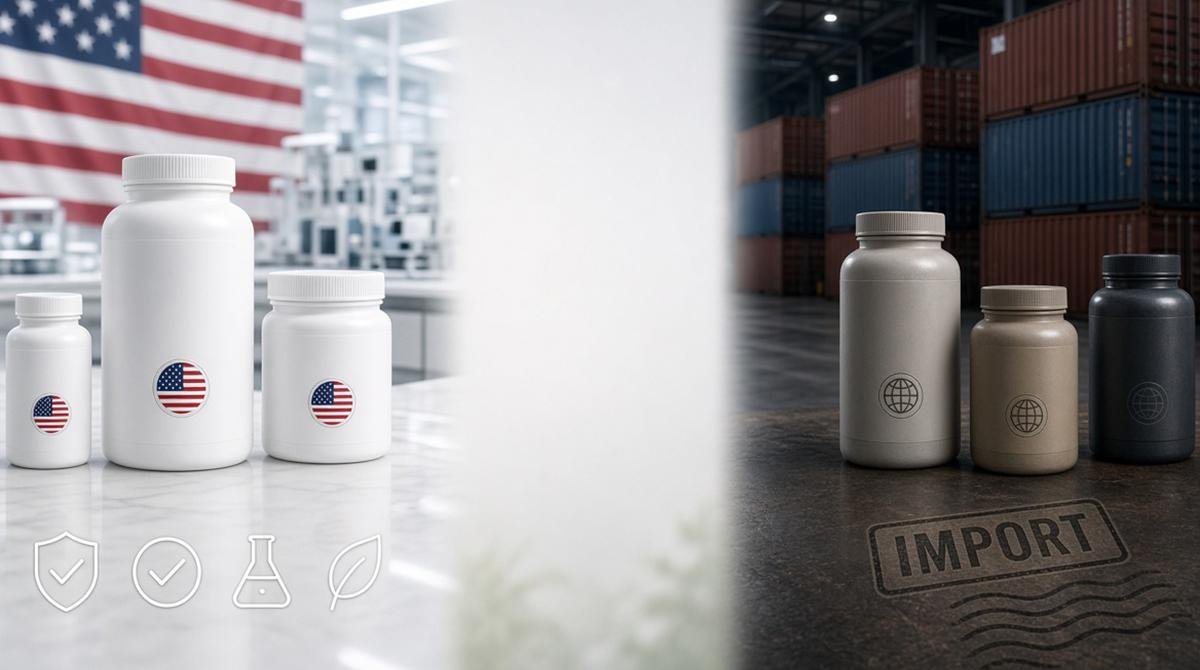
This matters more than it might seem. Products manufactured domestically (in the USA, for US-based practices) mean no customs delays, no import certification requirements, and no unpredictable cross-border shipping costs. If you're a US-based healthcare professional, sourcing from a US manufacturer is generally the simpler and more predictable route.
How Do You Actually Sell the Product?
The manufacturer typically fulfills orders to you, not directly to your end patients — meaning you control distribution. Common approaches include:
- Recommending and selling directly during patient visits
- Selling through your own clinic website or online store
- Displaying and selling in-office at your front desk or a partner pharmacy
Common Concerns, Addressed
"I don't have time to manage a product business."
The manufacturing, labeling, and production logistics are handled by your private label partner. Your primary time investment is the label review and revision process upfront, and ongoing decisions about when to reorder.
"What if my patients don't buy it?"
Because the minimum order can be as low as 3 units, the financial risk of testing a product with your patient base is limited. You're not committing to a large inventory before you know there's demand.
"Is this only for dietitians?"
No. The model works for any healthcare professional with a recurring patient relationship — dietitians and nutritionists, physiotherapists, chiropractors, and physicians who counsel on supplementation as part of care.
"Will this look unprofessional or like I'm just reselling something generic?"
This is where label design and brand identity matter. A well-designed private label product looks and feels like a natural extension of your practice — not a generic add-on. The branding work is what differentiates a credible private label line from a low-effort reseller product.
Is Private Label Right for Your Practice?
Private label supplements make the most sense if you already have a steady stream of patients or clients who ask for product recommendations, and you're looking for a way to build revenue that doesn't require adding more clinical hours. If that describes your practice, the barrier to testing this model — a small sample order and a one-time setup fee — is low relative to the potential upside of owning a recurring revenue stream under your own name.
Curious what a private label product line could look like for your practice? Get in touch with the Origin Well Nutrition team to start a discovery call.
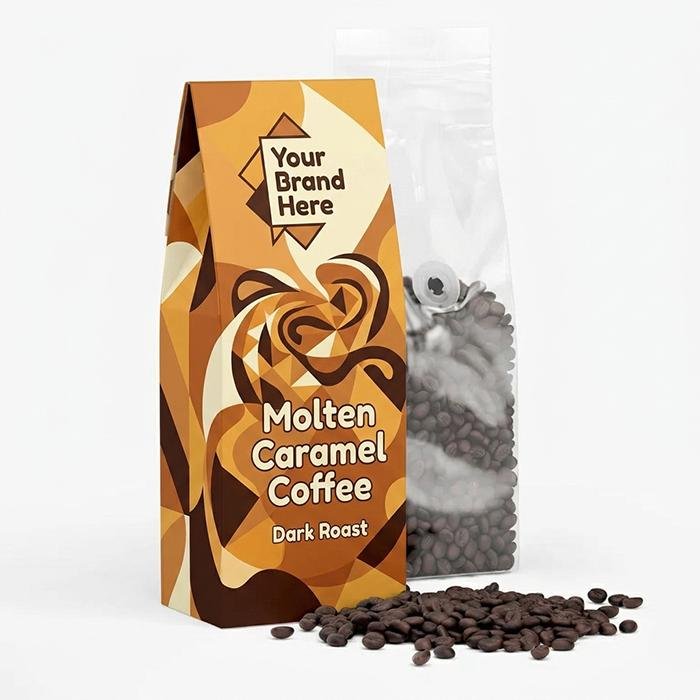
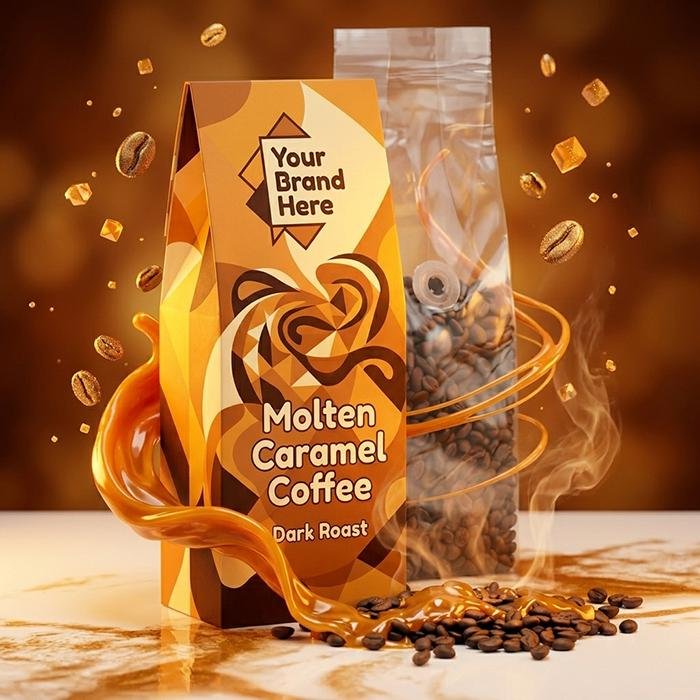
BOOK AN APPOINTMENTMolten Caramel Coffee (Dark Roast)
Dark roasted whole beans with bakers chocolate, caramelized sugar, and a bold, full-bodied brew, sourced from Brazil, Mexico, and Guatemala.
- Deep flavor with a hint of sweetness
- Bourbon, Typica, Caturra, Catuaí, Catucaí, Mundo Novo varietals
- Great for drip, press, or espresso
Disclaimer: Please note that the actual product may slightly vary from the images shown on our website. Minor variations in packaging and content, such as color, design, or texture, may occur between production batches. These differences do not affect the quality or described functionality of the product.
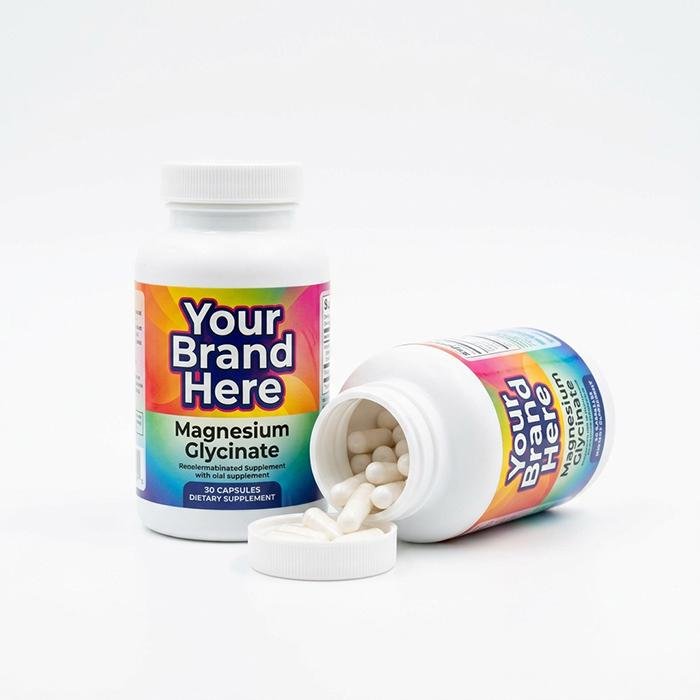
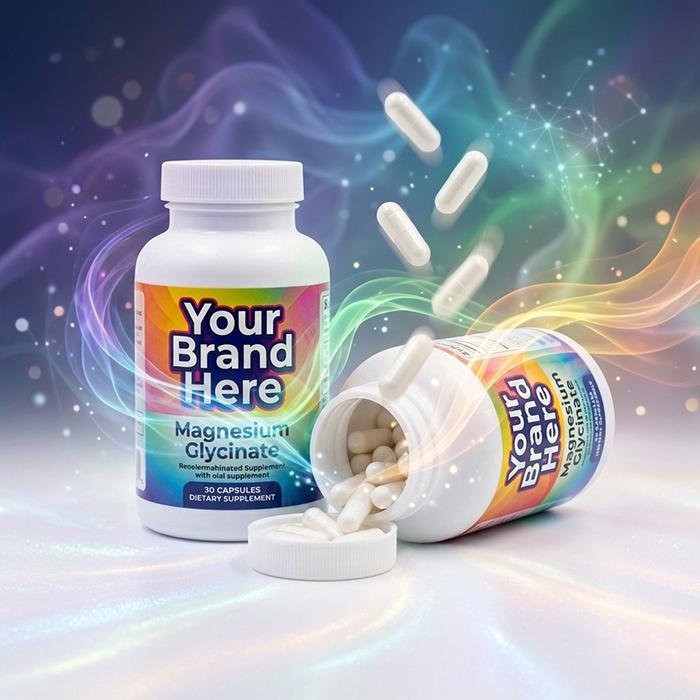
Magnesium Glycinate
Recharge your body and mind with Magnesium Glycinate Capsules - a highly absorbable form of magnesium designed to support relaxation, post-exercise muscle recovery, and the nervous system. This essential mineral plays a key role in promoting restful sleep, balanced mood, and overall wellness. Gentle on the stomach and easy to absorb, it’s your daily partner for relaxation.*
Disclaimer: Please note that the actual product may slightly vary from the images shown on our website. Minor variations in packaging and content, such as color, design, or texture, may occur between production batches. These differences do not affect the quality or described functionality of the product.
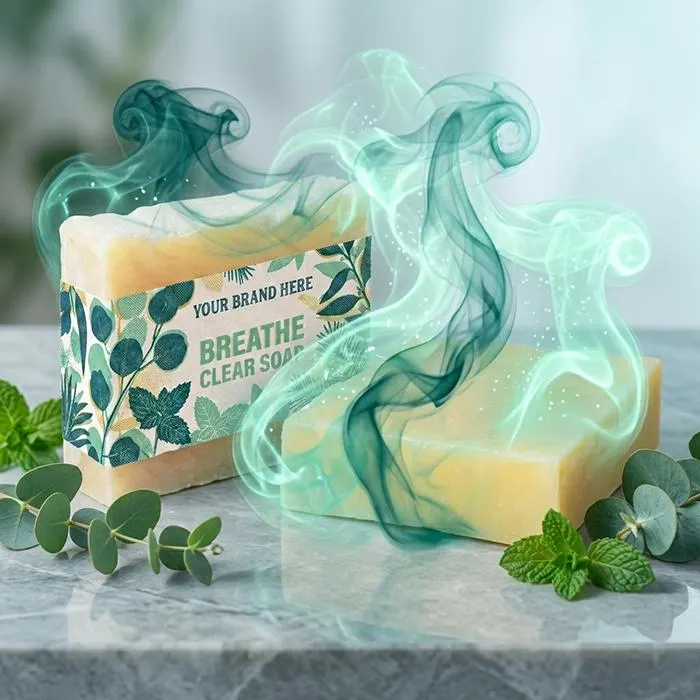
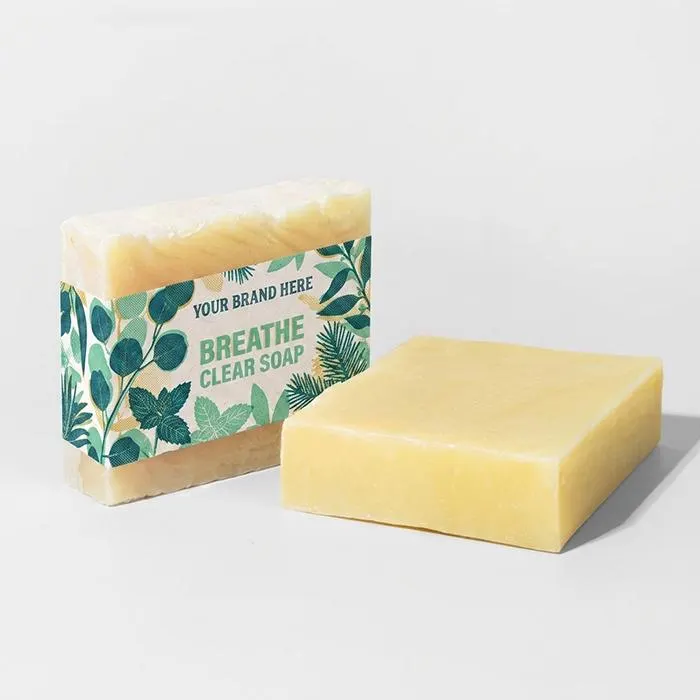
Breathe Clear Soap
Elevate your shower routine with our Breathe Clear Soap—a moisturizing blend of natural ingredients infused with invigorating aromatherapy scents like menthol, peppermint, and eucalyptus for a soothing and refreshing cleanse that leaves your skin soft and rejuvenated.
Disclaimer: Please note that the actual product may slightly vary from the images shown on our website. Minor variations in packaging and content, such as color, design, or texture, may occur between production batches. These differences do not affect the quality or described functionality of the product.
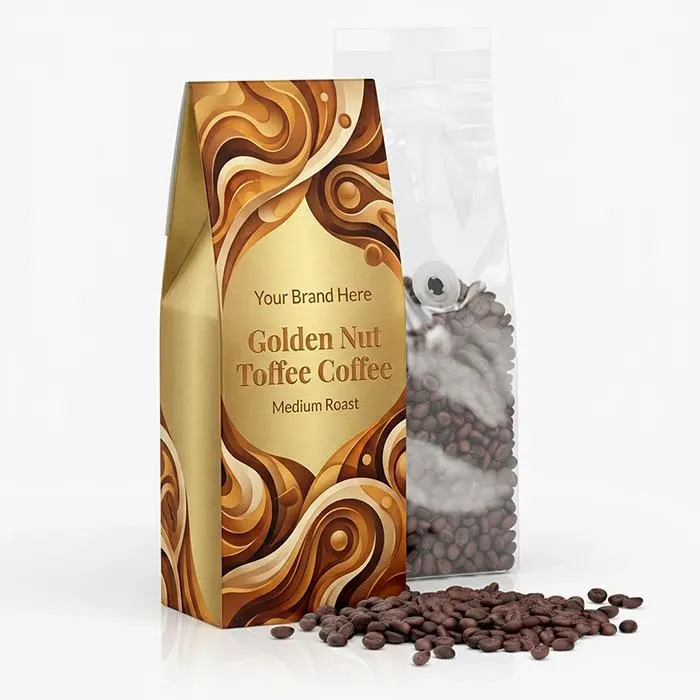
Golden Nut Toffee Coffee (Medium Roast)
Medium roast whole beans from Cerrado, Brazil, with toasted nut character and toffee-like sweetness.
- Naturally sweet finish
- Single-origin Brazilian beans featuring Catuaí, Catucaí, Catigua, and Topázio varietals
- Great base for flavored offerings